
October 12, 2026
How to Accessorize Everyday Outfits: Simple Tips for Men and Women
Discover how to accessorize everyday outfits with hats, versatile essentials, and easy styling techniques. Learn how to balance colors, textures, and details to create a polished look.
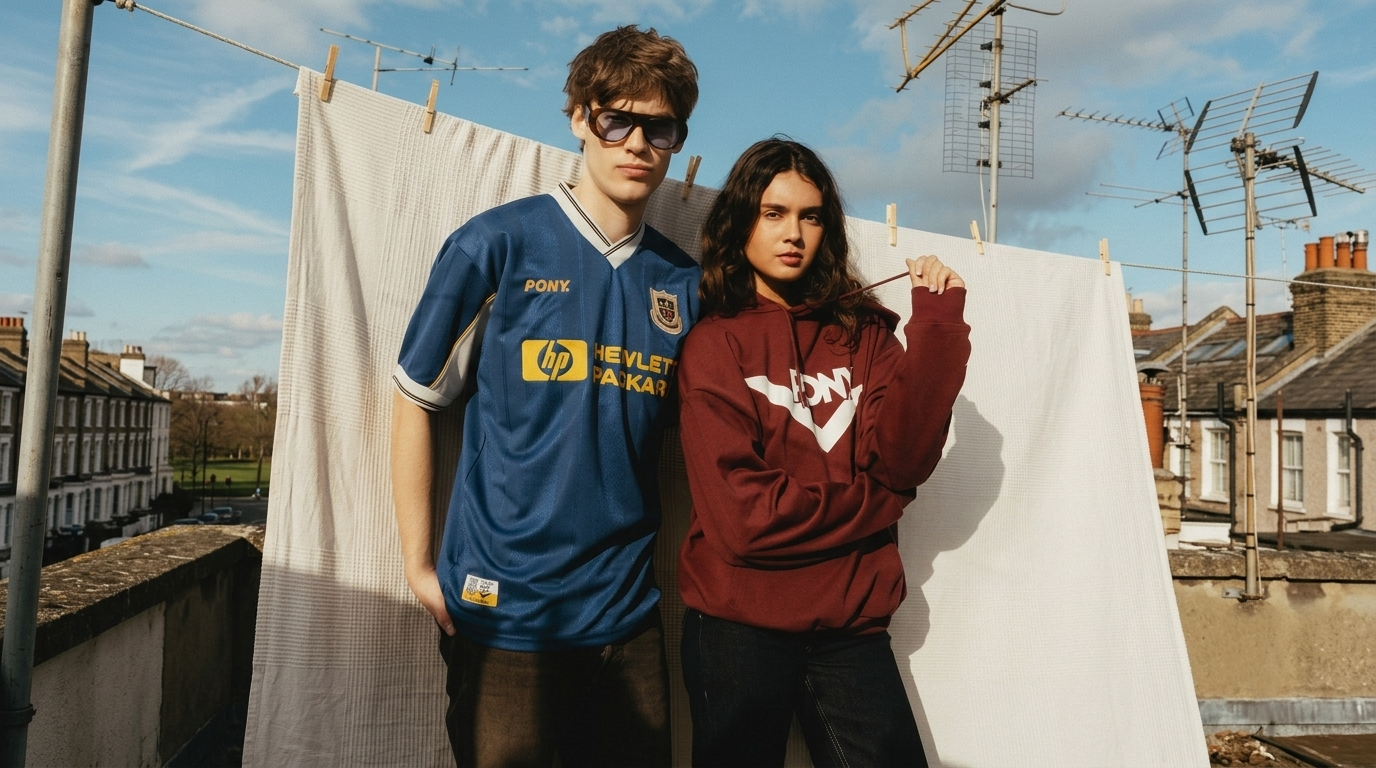
Accessories may be the finishing touch, but they can have a meaningful impact on an outfit. A well-chosen hat, a coordinated bag, or a simple statement piece can add personality to everyday clothing without making your look feel complicated. The key is knowing how to balance accessories with your clothing, lifestyle, and personal preferences.

1. Start With the Outfit, Not the Accessories
Before choosing accessories, consider the clothing you plan to wear. A simple outfit gives you more flexibility to experiment with interesting details, while a patterned or highly structured outfit may look better with understated accessories.
For example, a plain T-shirt, jeans, and sneakers can be complemented by a baseball cap or a practical bag. If your outfit already includes several colors or prominent details, a neutral accessory can help bring everything together.
Think of accessories as part of the overall outfit rather than separate additions. Each item should contribute to the look or serve a practical purpose.
2. Choose the Right Hat for Your Style
Hats are practical accessories that can also help define your personal style. They work particularly well with casual clothing and can add a finishing touch to simple combinations.
- Baseball caps: Pair them with T-shirts, denim, casual jackets, and sneakers for a relaxed look.
- Neutral-colored hats: Choose black, beige, gray, or navy when you want an accessory that coordinates easily with different outfits.
- Statement hats: Use a distinctive color or design as a focal point when the rest of your outfit is relatively simple.
Fit is just as important as appearance. A hat should feel secure and comfortable without being excessively tight. Consider its shape and proportions alongside your hairstyle and the overall silhouette of your clothing.

3. Coordinate Colors Without Matching Everything
Accessories do not need to match every item in your outfit exactly. In many cases, coordinating complementary colors creates a more natural and flexible look.
Start with a base of neutral clothing, such as black trousers, a white shirt, or blue denim. Then introduce one or two accessory colors that work well with those pieces. Earth tones can complement denim and cream, while black and gray often pair easily with brighter colors.
You can also repeat a color in small details. For example, a navy cap can work with navy accents elsewhere in the outfit without requiring every item to be the same shade.
4. Balance Proportions and Visual Details
Accessories can change how an outfit feels visually. Larger accessories tend to attract more attention, while smaller and simpler items usually blend into the overall look.
If you are wearing an oversized jacket or relaxed clothing, consider whether a compact accessory would help maintain balance. With a more fitted outfit, a larger bag or a more noticeable hat can introduce contrast.
There is no single proportion rule that works for everyone. The objective is to choose items that feel comfortable and intentional when worn together.
5. Select Accessories That Fit Your Daily Routine
The most useful accessories are often the ones that fit naturally into your everyday activities. Think about where you go, what you carry, and how much maintenance you want your accessories to require.
- For work or study: Choose practical bags and understated accessories that work with your usual clothing.
- For weekends: Casual hats, crossbody bags, and comfortable everyday pieces can complement relaxed outfits.
- For travel: Prioritize lightweight, versatile accessories that coordinate with multiple clothing combinations.
- For outdoor activities: Consider weather suitability, secure fit, and ease of care when choosing hats and other accessories.
Practicality does not have to mean sacrificing style. When an accessory meets a real need and complements your wardrobe, it is more likely to become a regular part of your rotation.
6. Use Texture to Add Interest
Color is not the only way to create visual interest. Different textures can make an outfit feel more considered, even when the palette stays neutral.
Try combining denim with a smooth cap, pairing knitwear with a structured bag, or adding a textured accessory to a simple cotton outfit. Small contrasts can help distinguish individual pieces without requiring bold patterns or bright colors.
For everyday wear, limit the number of competing textures if you want a cleaner appearance. Let one or two details stand out while the rest of the outfit provides balance.
7. Avoid Overloading Your Outfit
Adding more accessories does not necessarily make an outfit better. When too many pieces compete for attention, the overall look can become less cohesive.
A useful starting point is to select one main accessory and then add smaller items only when they serve a purpose. If you choose a distinctive hat, for example, keep other accessories relatively simple. If your clothing is minimal, you can experiment with a more noticeable bag or another focal detail.
Use this approach as a guideline rather than a strict rule. Personal style is individual, and the best combination is one that suits your preferences and feels comfortable to wear.
8. Take Care of Your Accessories
Regular care helps accessories stay presentable and ready for everyday use. Cleaning and storage methods vary by material, so check the manufacturer's care instructions before using cleaning products or applying moisture.
- Store hats in a way that helps preserve their shape.
- Keep bags and accessories in a clean, dry place.
- Remove surface dust and light marks using a method suitable for the material.
- Avoid prolonged exposure to conditions that may damage the item's color or structure.
Looking after the accessories you already own can also help you make more thoughtful purchasing decisions and build a wardrobe that works for longer.
Make Everyday Styling Your Own
Accessorizing does not need to be complicated. Start with clothing you enjoy wearing, select accessories that fit your daily routine, and experiment with color, texture, and proportion until the combination feels right.
Whether you prefer a classic baseball cap, understated everyday essentials, or accessories that make a stronger statement, consistency and comfort are more useful than following every trend. A few versatile pieces can help you create a range of looks while keeping your personal style recognizable.
Discover Everyday Essentials at ROVIKN
Build your everyday wardrobe with versatile clothing and accessories that complement your personal style. Explore practical options and create combinations that work for your routine.
Have questions about our products or your order? Contact us at [email protected].