
October 6, 2026
How to Build a Versatile Wardrobe: Everyday Fashion Tips for Every Style
Discover how to build a versatile wardrobe with practical fashion tips, timeless essentials, and easy outfit combinations. Learn how to style everyday clothing, layer outerwear, and choose accessories that reflect your personal style.
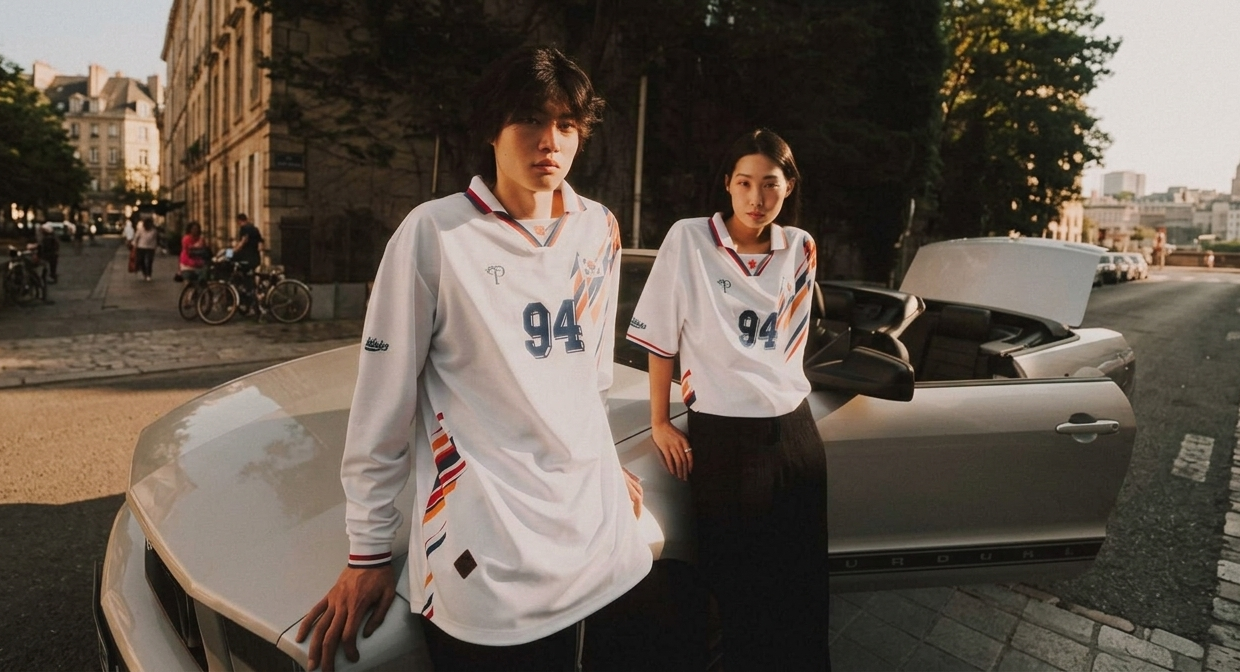
A versatile wardrobe makes getting dressed easier without limiting your personal style. By choosing adaptable clothing, coordinating complementary colors, and making thoughtful use of layers and accessories, you can create a variety of outfits for everyday activities and different occasions. Whether you prefer relaxed casual looks or more polished combinations, a practical wardrobe starts with understanding what works for you.

Build everyday outfits around pieces that complement your lifestyle and personal preferences.
1. Start With Your Everyday Lifestyle
The best wardrobe is one that fits your daily routine. Before buying new clothes, consider where you spend most of your time, what activities you regularly do, and which outfits make you feel comfortable and confident.
If your week includes work, errands, social gatherings, and time outdoors, look for pieces that can work across several situations. Comfortable tops, versatile bottoms, suitable outerwear, and easy-to-style accessories can provide a useful starting point.
Think about your existing wardrobe, too. Identifying the items you wear most often can help you understand your preferred silhouettes, colors, and fabrics. This makes it easier to select new pieces that coordinate with what you already own.
2. Choose Versatile Clothing Essentials
Building a versatile wardrobe does not mean owning as many clothes as possible. Instead, focus on having a selection of pieces that can be combined in different ways. The right essentials depend on your climate, lifestyle, and personal taste, but a few categories are useful to consider.
Everyday Tops
Choose tops that are easy to coordinate with different bottoms and outer layers. Simple designs can serve as the foundation for casual outfits, while distinctive cuts or details can add personality without making an outfit difficult to style.
Adaptable Bottoms
Consider bottoms that pair well with several tops in your closet. Pay attention to fit, comfort, and how the proportions work with your favorite footwear and layers.
Practical Outerwear
Outerwear can change the look and function of an outfit. Lightweight layers may suit mild conditions, while warmer jackets can be more useful when temperatures drop. Choose styles that complement the clothing you wear most often.
Finishing Accessories
Accessories such as hats can bring a look together with minimal effort. A carefully chosen accessory can introduce texture, contrast, or a personal detail to an otherwise simple outfit.
3. Use a Coordinated Color Palette
Color coordination can make everyday styling more straightforward. When several pieces share complementary colors, you have more flexibility to mix and match without spending too much time planning an outfit.
Neutral shades such as black, white, gray, beige, and navy are often easy to combine. You can then introduce additional colors through a top, jacket, or accessory to give your outfit more character.
You do not need to follow a strict color formula. The goal is to identify shades you enjoy wearing and find combinations that make sense for your wardrobe.
Style tip: Start with two or three colors you regularly wear. Build several combinations around them, then experiment with an accent color when you want to create a more distinctive look.
4. Learn the Art of Layering
Layering adds depth to an outfit while helping you adjust to changing temperatures. It also allows you to create different looks from clothing you already own.
A simple approach is to begin with a comfortable base layer, add a second piece for visual interest, and finish with outerwear when needed. Pay attention to the weight and shape of each garment so the overall outfit feels balanced rather than bulky.
Keep Proportions in Mind
If you wear a relaxed top layer, you may prefer a more streamlined bottom for contrast. Alternatively, a fitted top can work well with a looser silhouette. These are flexible styling ideas rather than strict rules, so experiment to find proportions that suit you.
Choose Layers for the Weather
Consider the temperature and conditions before deciding how many layers to wear. Lightweight pieces can be convenient for transitional weather, while insulated outerwear may be more appropriate in colder conditions. Comfort should remain an important part of the decision.

Thoughtful combinations help make a wardrobe more adaptable across seasons and occasions.
5. Create Outfits for Different Occasions
A versatile wardrobe should make it easier to dress for different parts of your life. Instead of treating every occasion as a reason to create an entirely new outfit, consider how a few changes can adapt a familiar combination.
Casual Everyday Outfits
For relaxed days, combine a comfortable top with your preferred bottoms and practical footwear. A hat or another simple accessory can add a finishing touch while keeping the overall look effortless.
Smart-Casual Combinations
For occasions that call for a more polished appearance, pay attention to fit, fabric, and coordination. A clean outer layer and complementary colors can help make an outfit feel more considered without requiring a completely different wardrobe.
Outfits for Changing Weather
When conditions are unpredictable, build an outfit around adaptable layers. A base outfit that works on its own, paired with removable outerwear, gives you more flexibility throughout the day.
6. Make Accessories Work for You
Accessories can have a noticeable effect on an outfit, even when the clothing itself is simple. They offer an easy way to experiment with personal style without changing every element of your look.
- Use accessories intentionally: Choose items that complement the outfit rather than compete with every other detail.
- Balance color and texture: A contrasting accessory can create visual interest, while a coordinated one can give an outfit a more unified appearance.
- Consider practicality: Think about comfort, weather, and your activities when selecting accessories for the day.
- Stay true to your preferences: You do not need to follow every trend. Choose details that feel natural to your style.
Small changes can make familiar clothing feel different. Experimenting with accessories is one way to discover new combinations without overcomplicating your wardrobe.
7. Shop With a Clear Plan
When adding new clothing to your wardrobe, think about how each piece will work with items you already own. This helps you make more informed choices and reduces the chance of buying something that rarely gets worn.
Before making a purchase, consider the following questions:
- Does this item suit my everyday lifestyle?
- Can I combine it with at least two or three pieces I already own?
- Is the fit and overall style appropriate for how I want to wear it?
- Have I reviewed the available size information and product details?
- Does it meet my needs for comfort, use, and personal preference?
Taking a moment to evaluate these details can help you develop a wardrobe that feels more consistent and easier to use. It also gives you a clearer idea of which categories or styles you want to explore next.
8. Develop a Personal Style That Lasts
Fashion trends can provide inspiration, but personal style develops through the choices you make over time. Notice the outfits you feel most comfortable wearing, the colors you naturally gravitate toward, and the combinations that fit your routine.
Keep experimenting with different silhouettes, layers, and accessories. You may discover that a small adjustment to the fit of a garment or the addition of an outer layer makes a familiar outfit feel new.
There is no single formula for dressing well. A successful wardrobe is one that supports your lifestyle, reflects your personality, and gives you practical options for the occasions that matter to you.
Final Thoughts
Building a versatile wardrobe starts with understanding your needs and making thoughtful choices. Focus on adaptable essentials, coordinate colors you enjoy, experiment with layering, and use accessories to express your personality. Over time, these simple habits can help you create more outfit combinations from the clothing you already have.
Whether you are refreshing your everyday look or exploring a different direction, let comfort, practicality, and personal preference guide your decisions. The most useful wardrobe is one that works for you.
Discover Your Everyday Style with ROVIKN
Explore fashion options that fit your preferences, from everyday clothing to outerwear and accessories. Find pieces that work with your wardrobe and create combinations that feel like you.
Have questions about our products or your order? Contact our team at [email protected].